


Low MOQ Fabrics: Empowering Startups and Boutiques
- Nidhi Tandon

- Feb 13
- 4 min read
In the world of fashion, the ability to create unique, high-quality garments is essential for startups and boutiques. However, many emerging designers face a significant hurdle: the challenge of minimum order quantities (MOQs). Traditional fabric suppliers often require large orders, making it difficult for small businesses to manage their inventory and cash flow. Fortunately, the rise of low MOQ fabrics is changing the game, allowing startups and boutiques to thrive in a competitive market.
Understanding Minimum Order Quantities
Minimum order quantities refer to the smallest amount of fabric a supplier is willing to sell. For many established suppliers, these quantities can be prohibitively high, often ranging from hundreds to thousands of yards. This requirement can pose a significant barrier for new designers who may not have the budget or storage space to accommodate such large orders.
The Impact of High MOQs on Startups
High MOQs can lead to several challenges for startups:
Financial Strain: Investing in large quantities of fabric can tie up capital that could be used for other essential aspects of the business, such as marketing or product development.
Inventory Management: Storing excess fabric can become a logistical nightmare, especially for small boutiques with limited space.
Risk of Obsolescence: Fashion trends change rapidly. Ordering large quantities of a specific fabric can result in unsold inventory if the trend shifts.
The Rise of Low MOQ Fabrics
The demand for low MOQ fabrics has led to a surge in suppliers willing to cater to smaller businesses. These suppliers recognize the need for flexibility in the fashion industry and are adapting their offerings accordingly.
Benefits of Low MOQ Fabrics
Affordability: Startups can purchase only what they need, reducing financial risk and allowing for better cash flow management.
Flexibility: Designers can experiment with different fabrics and styles without the pressure of large commitments.
Sustainability: By ordering only what is necessary, businesses can reduce waste and contribute to a more sustainable fashion industry.
Finding Low MOQ Fabric Suppliers
When searching for low MOQ fabric suppliers, it’s essential to consider several factors to ensure you find the right fit for your business.
Research and Recommendations
Online Marketplaces: Websites like Etsy, Alibaba, and Fabric.com often feature suppliers that cater to small businesses with low MOQs.
Local Fabric Stores: Many local fabric shops are willing to work with small designers and may offer lower MOQs.
Networking: Attend trade shows and industry events to connect with suppliers who understand the needs of startups.
Evaluating Suppliers
Once you’ve identified potential suppliers, evaluate them based on the following criteria:
Quality of Fabric: Request samples to assess the quality before placing an order.
Customer Service: A responsive supplier can make the ordering process smoother and help resolve any issues that arise.
Shipping Options: Consider suppliers that offer reasonable shipping rates and times to ensure timely delivery of your materials.
Case Studies: Success Stories of Startups Using Low MOQ Fabrics
Example 1: A Sustainable Fashion Brand
A startup focused on sustainable fashion found a supplier that offered organic cotton with a low MOQ of just 10 yards. This allowed the designer to create a limited collection of eco-friendly garments without the risk of excess inventory. The brand gained traction on social media, and the limited nature of the collection created a sense of urgency among customers.
Example 2: A Boutique with Unique Offerings
A small boutique specializing in handmade clothing partnered with a supplier that provided a variety of fabrics with low MOQs. This enabled the boutique to offer a diverse range of styles and fabrics, appealing to a broader audience. The ability to frequently update their inventory kept customers returning for new and unique pieces.
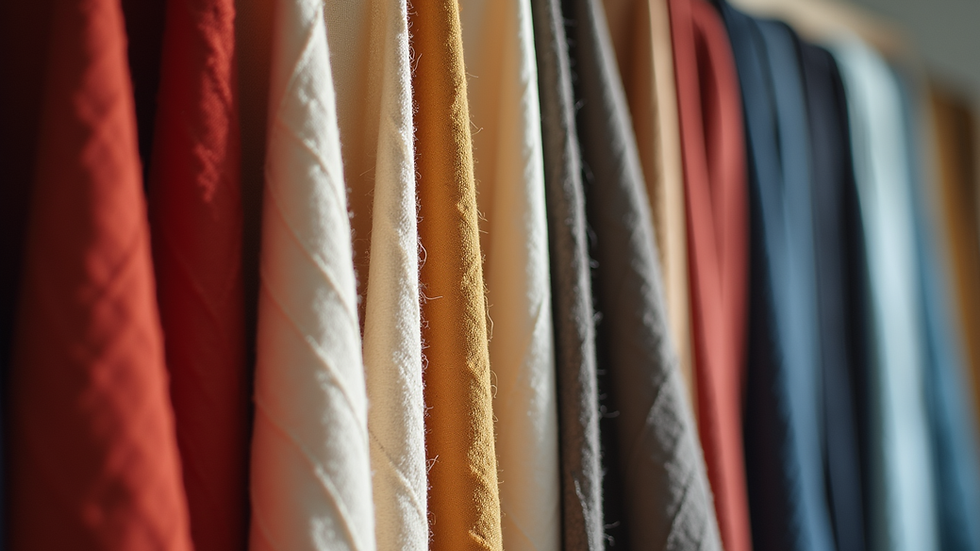
Tips for Working with Low MOQ Fabrics
Start Small
When beginning your journey with low MOQ fabrics, start with small orders to test the market. This approach allows you to gauge customer interest without overcommitting financially.
Build Relationships with Suppliers
Establishing a good relationship with your fabric suppliers can lead to better deals and more favorable terms in the future. Communication is key; don’t hesitate to discuss your needs and expectations.
Stay Trend-Focused
Keep an eye on fashion trends and customer preferences. This awareness will help you make informed decisions about which fabrics to order and when to place your orders.
Challenges and Considerations
While low MOQ fabrics offer many advantages, there are still challenges to consider.
Quality Control
With smaller orders, it’s crucial to maintain quality control. Always inspect samples and finished products to ensure they meet your standards.
Limited Availability
Some low MOQ suppliers may have limited fabric options. Be prepared to adapt your designs based on what is available.
Shipping Costs
Smaller orders can sometimes lead to higher shipping costs per yard. Factor this into your budget when ordering.
Conclusion
Low MOQ fabrics are revolutionizing the way startups and boutiques operate in the fashion industry. By providing flexibility, affordability, and sustainability, these fabrics empower emerging designers to bring their visions to life without the burden of high minimum order quantities. As the market continues to evolve, embracing low MOQ options can be a strategic move for any fashion entrepreneur looking to make their mark.
By leveraging the benefits of low MOQ fabrics, startups can not only reduce financial risk but also foster creativity and innovation in their designs. The future of fashion is bright for those who adapt to these changes and embrace the opportunities they present.


Comments